Approach
The course adopts a hands-on tutorial based style of learning in the classroom blended with fun and engaging activities and project-based learning (PBL) approach.


Ice-breaker
Ice-breaker activities are thoughtfully designed at the beginning of the course to spark the curiosity in learning and discovering the indispensable role of emerging digital technologies, and instilling the interest in learning and mastering IoT system design and development during the course.
Students are introduced to applications of IoT in real-world (e.g. smart buildings, smart grids, smart agriculture, aviation, and disaster management) through short videos.
This is followed by a guided group activity where students are provided with paper prototypes and encouraged to identify components, integrated them, and build a real-world IoT system of their choice.
Finally, students present a roleplay enacting the four key elements (sensors, processors/controllers, communication networks, and actuators) in the prototype solution in a fun, engaging and interactive way to their peers.

Takeaways
1.Critical Observation of Real-World Systems
2.Systems Thinking
3.Maker Skills and Rapid Prototyping of IoT system
Capstone Project Exhibition
To conclude the course, the students work in teams and are guided to identify a problem based a theme given to them (e.g. digital transformation of campus, or smart communities) by observing systems around them in real-life, engaging with stakeholders in their communities, and distilling the problem statements.
Subsequently, they flip the problem into a design statement, source components, and beginning their systems design and development process.
After 3-4 weeks of continued efforts, students projects take shape and come alive at the project exhibition/showcase day. This culimates their 30-hours of learning-by-making IoT course.
Students Unleash Creativity Turning Campus into a Smart and Sustainable Living Laboratory
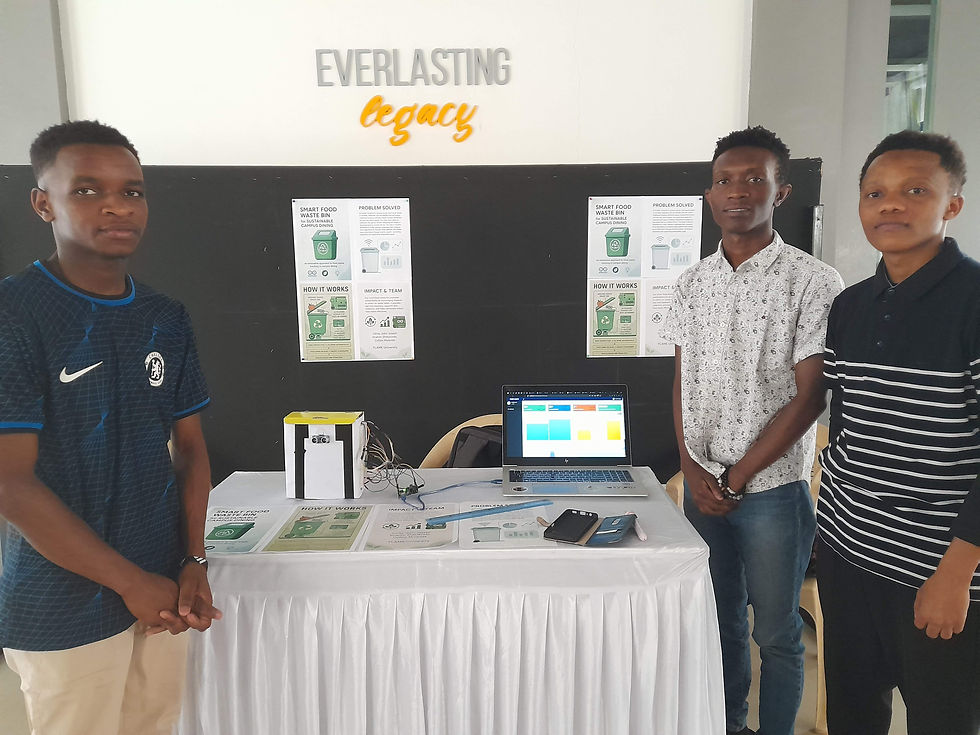
Smart Solid Waster Management on FLAME Campus
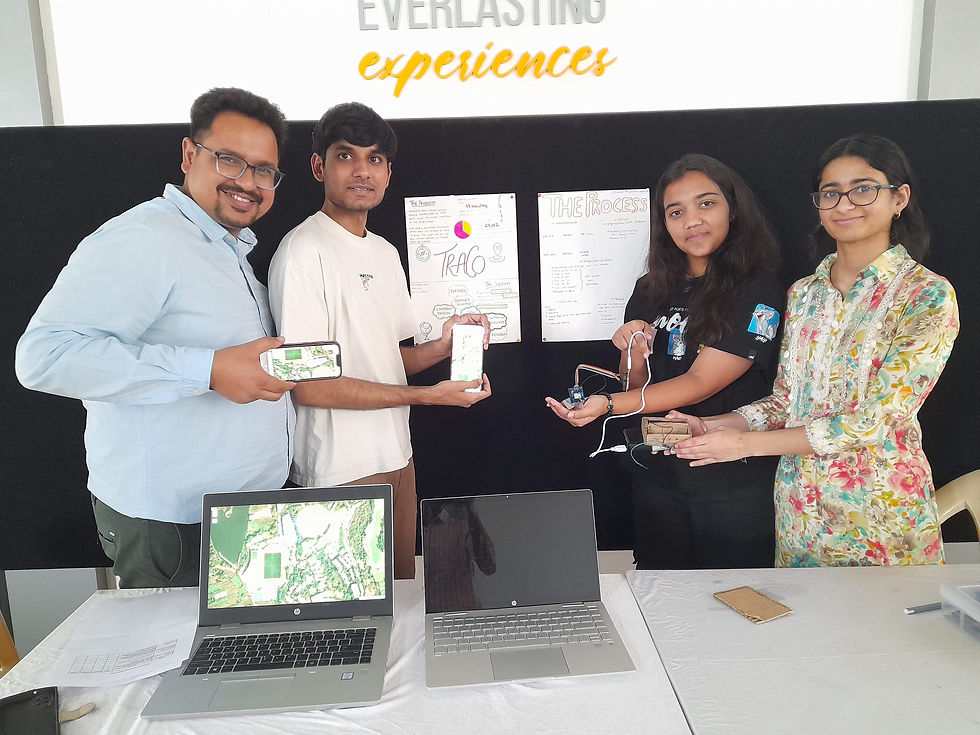
Occupancy Tracking on FLAME Campus Shuttle Service

Smart Solid Waste Management on FLAME Campus

Campus Shuttle Service Tracking System on FLAME
Radar-based for Vehicle Navigation & Collision Avoidance


Smart Toll Service for Vehicles on FLAME Campus
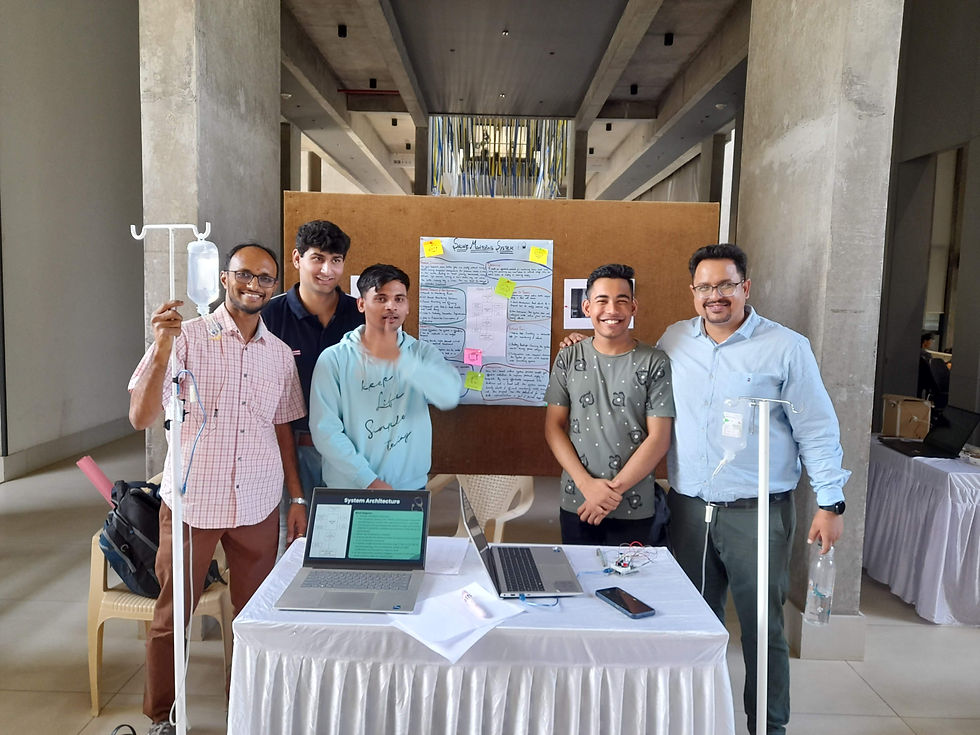
Saline Monitoring and Auto Cut-off System for Rural Healthcare
Automatic Food Dispensing System For Animals on Campus
