Why Disasters Literacy Matters in Indian HEIs?
Do you know humanity is facing myriads of threats and hazards in the 21st century?
Do you know anyone can be a victim?
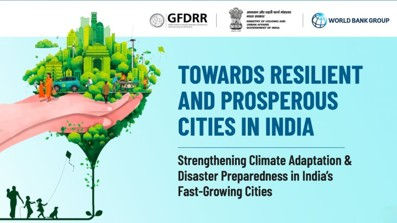
"By 2030, Indian cities shall create 70% of jobs but may lose $5 Billion to floods; and need greater autonomy to counter climate risks" (Source: World Bank Report 2025)
Risk informed youth and responsible citizens form the backbone of a resilient society"


ICE BREAKERS
This 30 hour foundational course at FLAME University inspires students to embrace hazards, disasters, and risks quite differently.
Wondering what do they do??
They play variety of games and guided activities during the first week of the course. This include:
1. STOP Disasters - an online game (Courtesy: United Nations Office for Disaster Risk Reduction),
2. Disasters Bingo, and
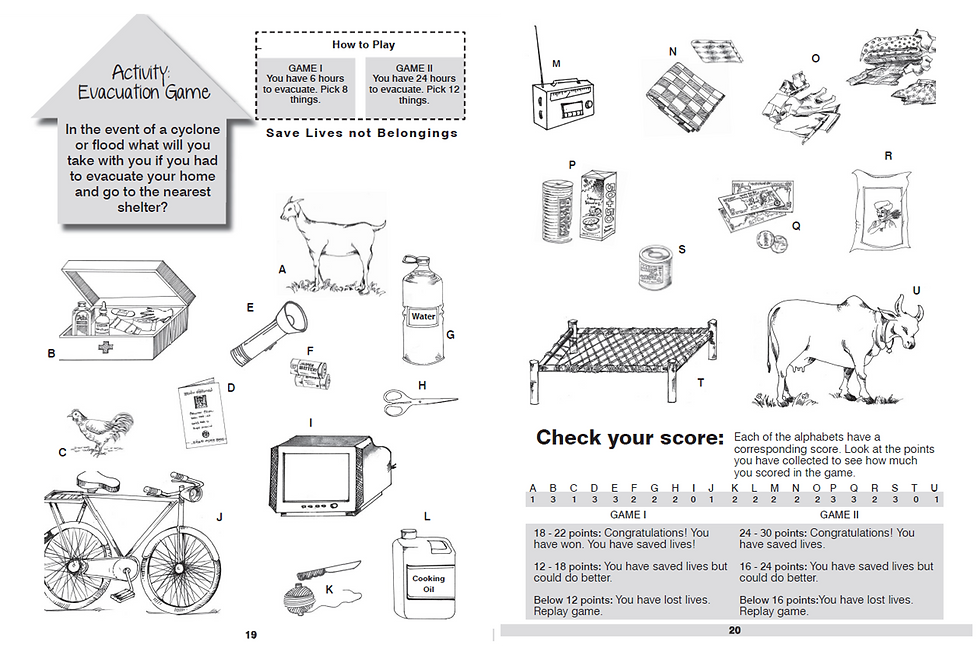
3. Evacuation Preparedness game (Courtesy: Peeyush Sekhsaria).
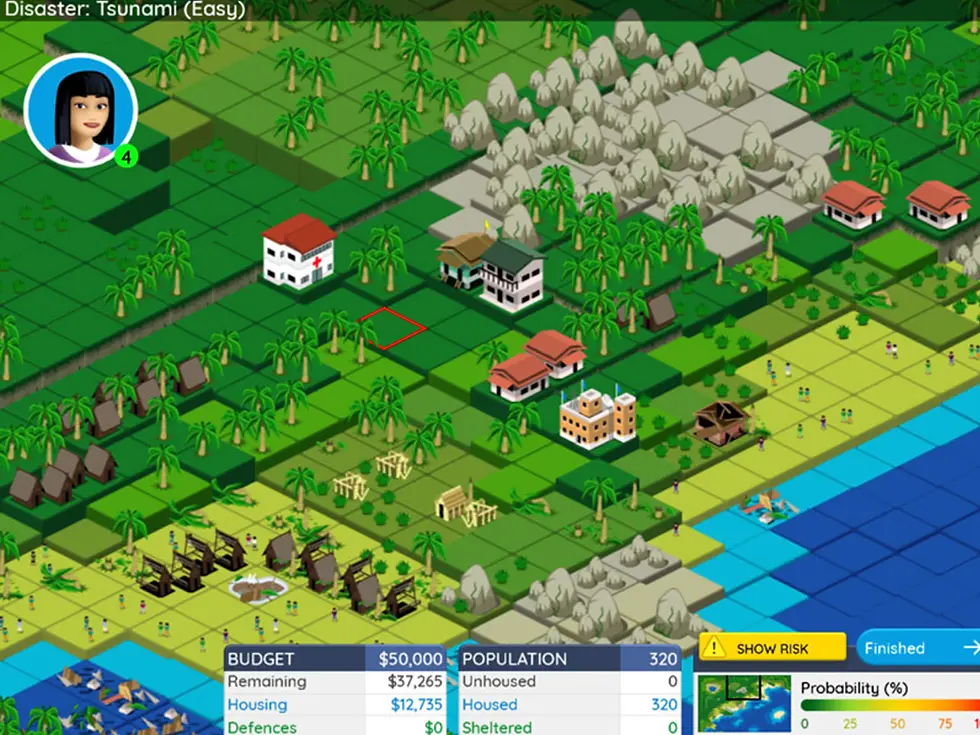

STOP Disasters
Disasters BINGO !
Evacuation Preparedness Game
1. Critical Observation of Systems in the Society
2. Enhanced Risk Perception
3. Empathetic and Compassionate Heart
4. Applied Creativity
5. Active Citizenship & Community Stewardship
Takeaways
Capstone Project Exhibition
The capstone project-based learning (PBL) is integral part of this course where students learn to exercise synchronizing their HEAD, HEART, and HANDS in contributing to building a risk reduced and resilient futures.
Student work in interdisciplinary small teams, engage in desk research, apply lessons learnt throughout the course, and exercise their creativity in producing some kool, original, and innovative bunch of serious games and artefacts by the end of the course.
The students projects take shape gradually over a few weeks and they all come alive at the project exhibition/showcase day which culminates the successful completion of their course.
Students Unleash Creativity Turning Campus & Urban Communities into a Resilient Living Laboratory


